



Plan your route.
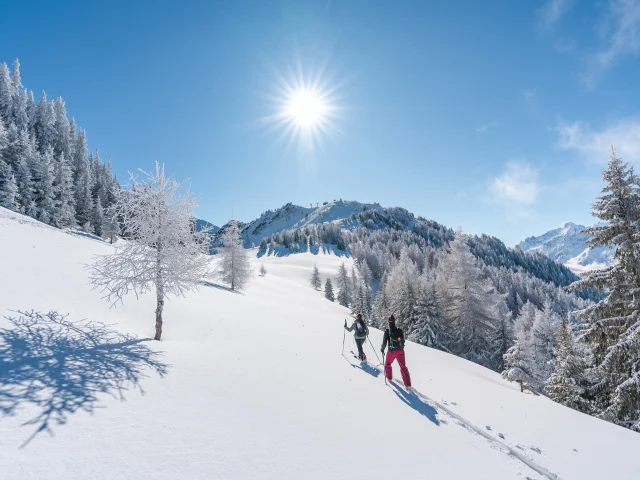
Find out all you can about the weather conditions, avalanche risk, the route and its level of difficulty.
In the mountains, the natural environment is inherently hazardous. The authors of this website cannot be held liable in any way for the route recommendations and information provided.
Find out all you can about the weather conditions, avalanche risk, the route and its level of difficulty.

Avalanche transceiver, shovel, probe and radio: always carry essential safety equipment.
Adapt your equipment to the conditions.
Stay on marked trails to protect natural areas and wildlife.
Keep your dog on a lead.

Choose a route that suits your group’s technical and physical abilities. If in doubt, turn back.
The International Ski Federation (FIS) has defined 10 rules so that everyone can practice snow sports on the slopes with pleasure and in safety.
Do not endanger or prejudice others.
Move in control. Adapt your manner of skiing or snowboarding and speed to your ability and to the general conditions on the mountain.
Do not impede the route of the skier and snowboarder in front of you.
Leave a wide berth when overtaking.
Look up the slopes each time before starting and moving upwards.
Only stop at the edge of the piste or where you can be seen easily.
When climbing up or down, keep to the side of the piste.
Obey all signs and markings.
Provide help and alert the rescue service (in case of accident).
All persons involved in an accident including witnesses must exchange names and addresses.
Slope users are required to abide by these rules. Snowboarders must also respect 3 additional rules.
Always turn your snowboard upside down (bindings in the snow) when you put it down.
At ski lifts and chairlifts, unclip the rear binding.
If you have alpine-style bindings, attach the front binding to the board using a safety strap (‘leash’).
Find all the rules and regulations, as well as the equipment permitted on the slopes and facilities, on the here
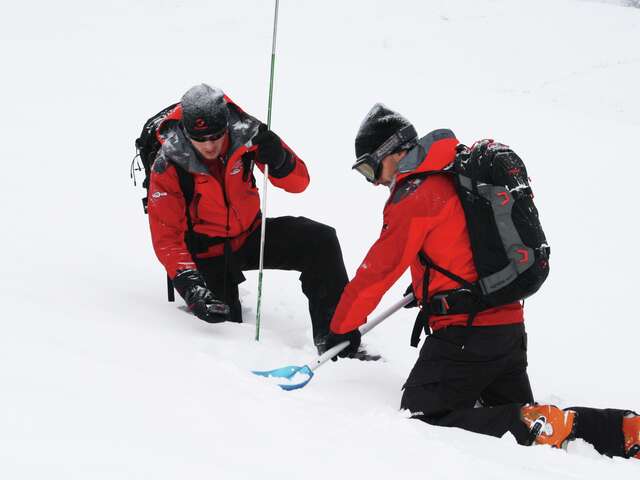
Are you drawn to wide open spaces and untouched snowfields? An avalanche transceiver, shovel and probe are essential. But do you know how to use them? Practise searching for victims and learn the right reflexes to be quick and effective in an emergency.
Mountain guides also offer training courses to help you gain a better understanding of the dangers, and learn life-saving techniques.
Night-time ski touring on the slopes is extremely dangerous and prohibited.
Snow groomers are pulled by a cable stretched over more than 1,000 metres, which can whip through the air violently. These cables are invisible at night, and a collision with one of them can be fatal.
The resorts in the region take turns offering evening ski touring sessions during which grooming is delayed. There are also alternatives for training at night without risking your life or disrupting the work being done on the slopes.
From January to March, on Wednesday evenings from 6pm to 9pm, the Savoleyres sector welcomes you in complete safety. Find all the information you need on the page dedicated to ski touring.









Call the ski patrol at +41 27 775 25 06.
For a life-threatening emergency, dial 144.
All openings and closures are updated on verbier4vallees.ch.
The official bulletin is available on the White Risk.
An avalanche transceiver, a shovel, a probe and a radio. Make sure you know how to use them.
At the DVA Park in Les Ruinettes. It’s free and open to everyone.
Yes. Mountain guides offer courses to learn the right techniques and understand the risks.
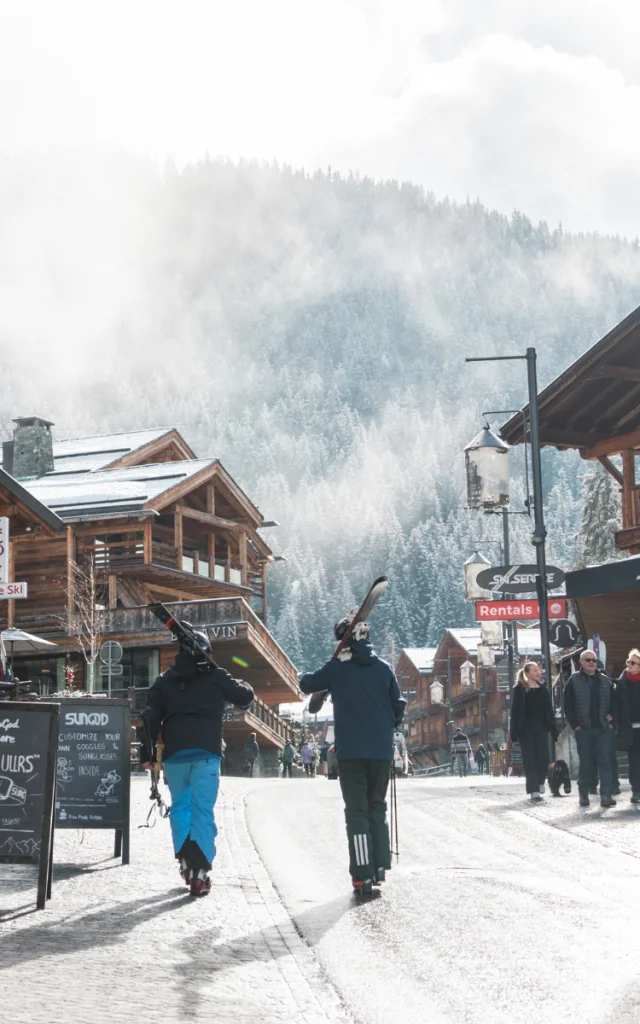
Several sports shops in Verbier offer rental. You’ll find the full list in the sports shops section
Not compulsory, but highly recommended. A helmet makes all the difference in the event of a fall and allows you to ride with greater peace of mind.
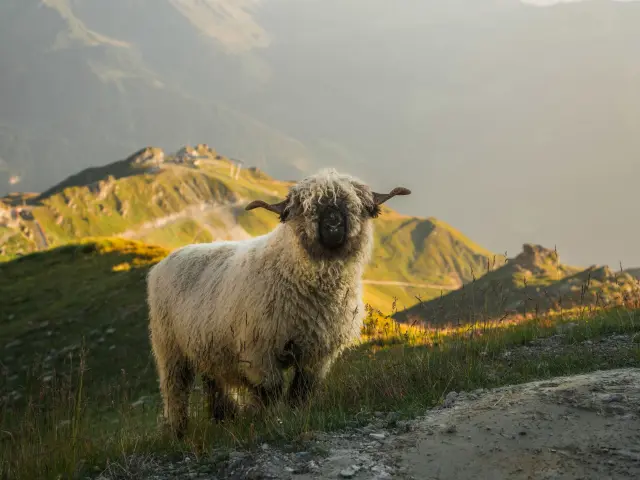
Yes, stay on marked trails and respect wildlife quiet zones. They are essential for the animals’ survival.
Yes, but your dog must be kept on a lead. Check which ski lifts accept dogs on verbier4vallees.ch.
On Guidos, Suisse topo, Suisse Mobile, and other dedicated mapping platforms.