

In the mountains, the natural environment is inherently hazardous. The authors of this website cannot be held liable in any way for the route recommendations and information provided.
Before you head out, ask yourself the right questions.

Are you well informed? Is your route clear?
Check the weather forecast and webcams. Conditions can change quickly at altitude. Check which trails are open and which are closed.

Make sure your equipment is suitable for the conditions: proper shoes, clothing and gear suited to your activity, water, sun protection and a fully charged phone.
Missing something? Local sports shops may have just what you need.

Stay on marked paths and trails to protect natural areas and the peace and quiet of wildlife.
Keep your dog on a lead.

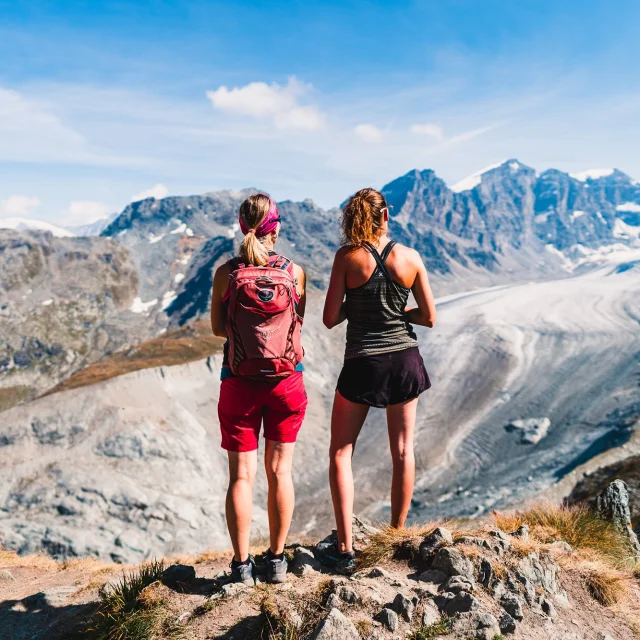
Choose a route suited to your technical and physical abilities, as well as those of your group.
In doubt? Turn back.

Enjoy outdoor activities responsibly
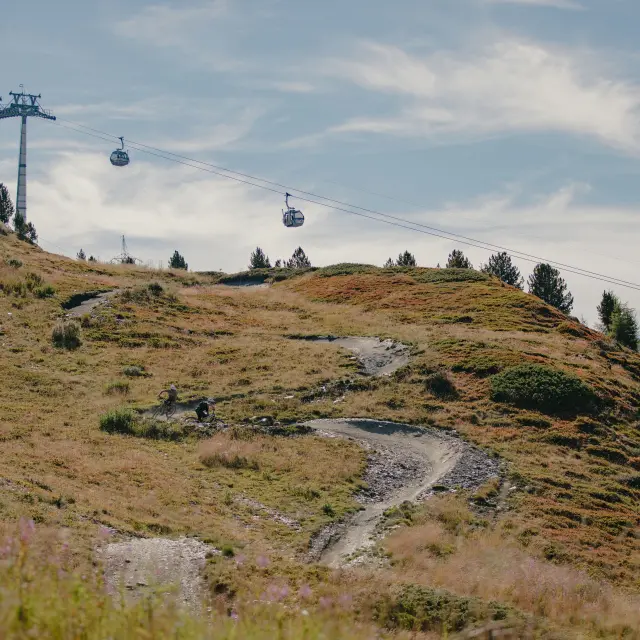
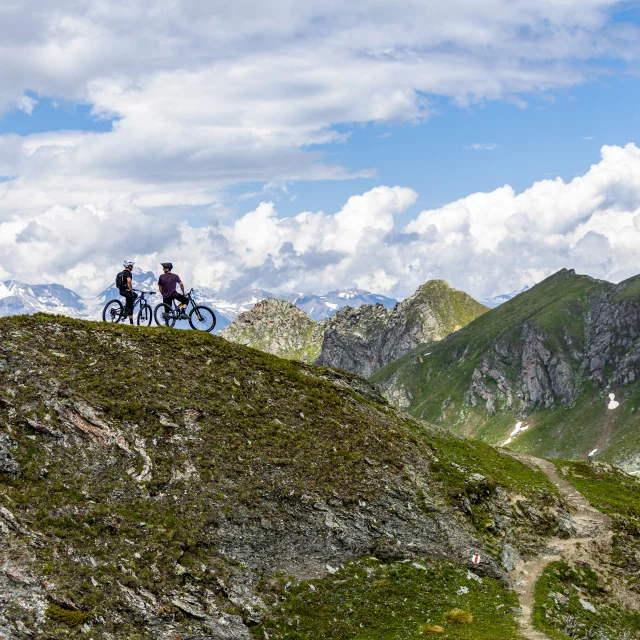
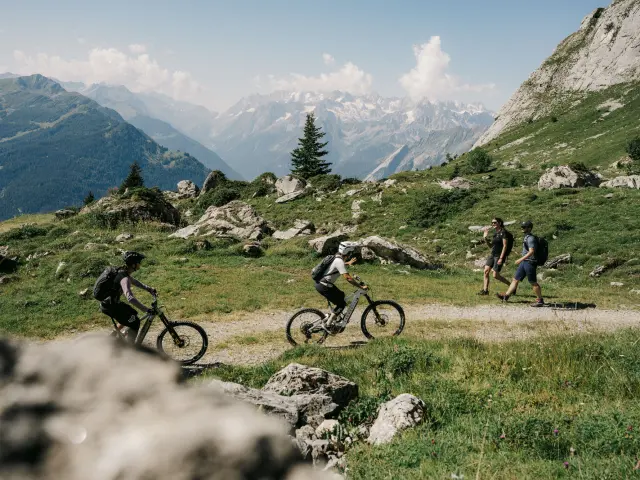
In this incredible playground, you’ll meet many enthusiasts like you: on bikes, on foot or on horseback. To ensure everyone can enjoy the mountains, remember to share the trail, give way when needed and stay alert to vehicles if your route crosses a road.
With the exception of the bisses, which are mainly reserved for pedestrians, most mountain trails in the destination are shared by different users who pursue their passions on the same paths. Respect and awareness allow everyone to fully enjoy the experience.
In Valais, this coexistence is encouraged through the Fairtrail project, an initiative that promotes respect and tolerance between hikers, mountain bikers, farmers and nature. Its goal is to allow everyone to enjoy the trails while preserving the environment and local activities.
Finally, for your safety and to protect nature, remember to check paragliding flight zones, climbing areas, trail running and mountain biking routes, as well as the applicable regulations before heading out.
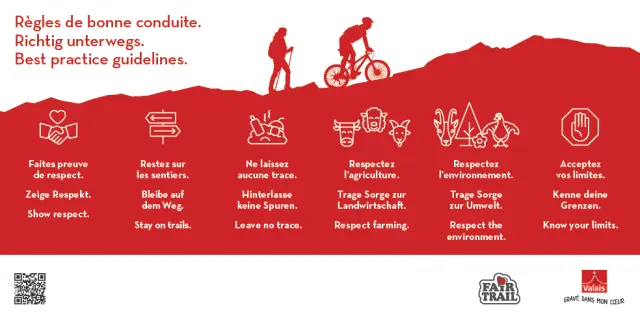
Fair Trail Code of Conduct
Here, nature isn’t just a backdrop: it’s alive, fragile and shared.
When you’re out and about, every step counts. Adopt the right habits to help preserve the trails, wildlife and landscapes that make up the Val de Bagnes.
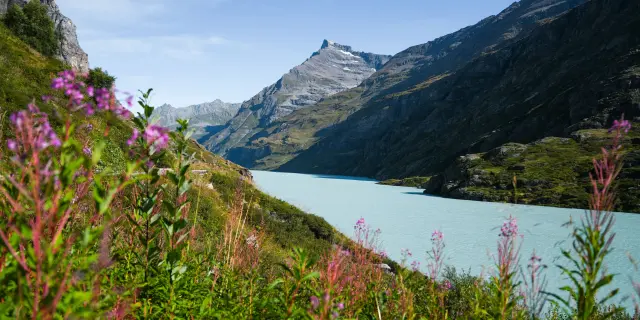
Lake Mauvoisin in Summer @luciaharrison
Keep your distance from herdsand livestock guardian dogs
Near grazing herds, you will often encounter livestock guardian dogs whose role is to protect the animals from predators such as wolves or lynx. They are working partners of farmers and shepherds — not pets.
If possible, we invite you to:
- Give the herd a wide berth
- Stay calm and passive, without trying to make contact or pet the dogs
- Keep your distance and stop for a moment so the dogs can identify you
- Speak to them calmly if you wish
- Get off your bike and keep your dog on a lead
- Make sure you are allowed to cross fenced pastures and always close gates behind you to prevent animals from escaping
- Avoid using drinking troughs to wash your hands or feet so the water remains clean for the animals
Little tip: to help plan your outing, don’t forget to check the map showing the areas where livestock guardian dogs are present
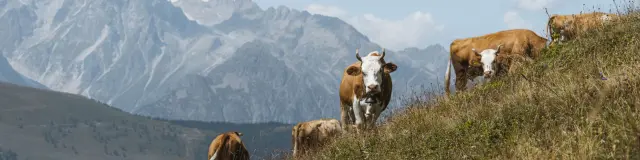
Cow on the Grand Tour of Combins @ Roman Twintheworld
- Need some advice?
- Which number should I call in case of an emergency?
- Where can I find the weather forecast and webcams?
- What equipment should I take for a mountain outing?
- Are the trails accessible all year round?
- What should you do if you’re unsure about a route?
- Can hikers and cyclists share the trails?
- Can I bring my dog?
- Why should I stay on marked trails?
- Can you go into the mountains on your own?
- Are there maps showing all the routes?

In the mountains, the natural environment is inherently hazardous. The authors of this website cannot be held liable in any way for the route recommendations and information provided.
Find out all you can about the weather conditions, avalanche risk, the route and its level of difficulty.

Avalanche transceiver, shovel, probe and radio: always carry essential safety equipment.
Adapt your equipment to the conditions
Stay on marked trails to protect natural areas and wildlife.
Keep your dog on a lead.
Choose a route that suits your group’s technical and physical abilities. If in doubt, turn back.
The International Ski Federation (FIS) has defined 10 rules so that everyone can practice snow sports on the slopes with pleasure and in safety.
Emergencies on the slopes.
Move in control. Adapt your manner of skiing or snowboarding and speed to your ability and to the general conditions on the mountain.
Do not impede the route of the skier and snowboarder in front of you.
Leave a wide berth when overtaking.
Look up the slopes each time before starting and moving upwards.
Only stop at the edge of the piste or where you can be seen easily.
When climbing up or down, keep to the side of the piste.
Obey all signs and markings.
Provide help and alert the rescue service (in case of accident).
All persons involved in an accident including witnesses must exchange names and addresses.
Slope users are required to abide by these rules. Snowboarders must also respect 3 additional rules.
Find here all the rules and regulations, as well as the equipment permitted on the slopes and facilities
Always turn your snowboard upside down (bindings in the snow) when you put it down.
At ski lifts and chairlifts, unclip the rear binding.
If you have alpine-style bindings, attach the front binding to the board using a safety strap (‘leash’).
DVA PARK and training courses
Are you drawn to wide open spaces and untouched snowfields? An avalanche transceiver, shovel and probe are essential. But do you know how to use them? Practise searching for victims and learn the right reflexes to be quick and effective in an emergency.
Mountain guides also offer training courses to help you gain a better understanding of the dangers, and learn life-saving techniques.
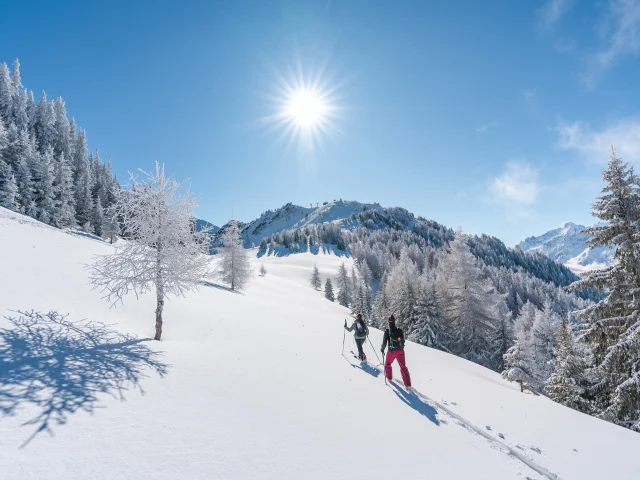

An evening about freeriding and safety

Night ski touring
Night-time ski touring on the slopes is extremely dangerous and prohibited.
Snow groomers are pulled by a cable stretched over more than 1,000 metres, which can whip through the air violently. These cables are invisible at night, and a collision with one of them can be fatal.
The resorts in the region take turns offering evening ski touring sessions during which grooming is delayed. There are also alternatives for training at night without risking your life or disrupting the work being done on the slopes.
From January to March, on Wednesday evenings from 6pm to 9pm, the Savoleyres sector welcomes you in complete safety. Find all the information you need on the page dedicated to ski touring.









- Which number should I call in case of an emergency on the slopes?
- Where can I find real-time information about slope openings?
- Where can I check the avalanche bulletin?
- What should I take with me if I go off-piste?
- Where can I practise using an avalanche transciever and my safety gear?
- Does Verbier offer avalanche training?
- Where can I rent safety equipment (DVA, shovel, probe)?
- Is wearing a helmet compulsory?
- Are there any restricted or protected areas for skiing and hiking in winter?
- Can I bring my dog into the mountains?
- Where can I find reliable maps to plan my outing?